by John M. Eger
March 25, 2026
According to The Washington Post, the U.S. government has built hundreds of miles of border wall across deserts, public lands, and protected natural areas along the U.S.–Mexico Border.
But this isn’t just happening in one place. Around the world, more countries are building walls and barriers to control who can cross their borders. Some of the most heavily guarded areas—like the Korean Demilitarized Zone and the West Bank Barrier—don’t just stop people. They also make it extremely hard for artists to connect, share, and work together.
At first glance, borders are about safety and control—managing the movement of people and goods. But they also end up blocking something less obvious: creativity and cultural exchange. When borders become stricter, artists can’t travel easily, ship their work, or meet and collaborate with others. And that has real consequences.
Art grows through connection. Artists get ideas from different cultures, conversations, and shared experiences. When those connections are cut off, creativity suffers. If an artist can’t get a visa, it’s not just a missed trip—it’s a missed opportunity to exchange ideas.
Take the Korean Demilitarized Zone, for example. It’s not just a border; it’s a complete divide. Artists on either side have almost no way to interact. There are no joint exhibits, no shared studios—nothing. Over time, that creates two separate art worlds that rarely influence each other.
In other places, the restrictions aren’t as extreme, but they still make things difficult. Artists deal with delays, canceled events, and complicated paperwork just to move their work or themselves across borders. What used to be easy collaboration becomes stressful and uncertain.
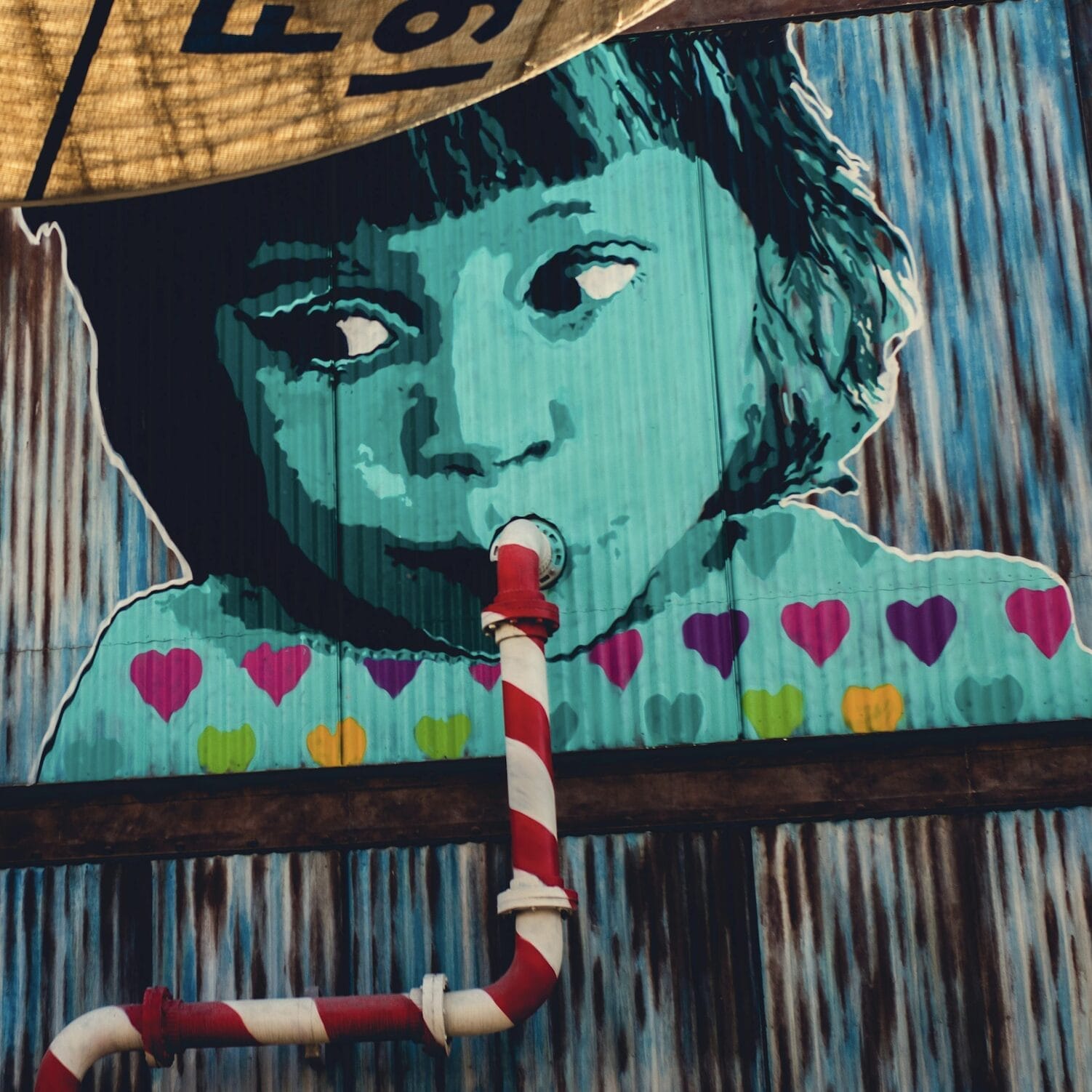
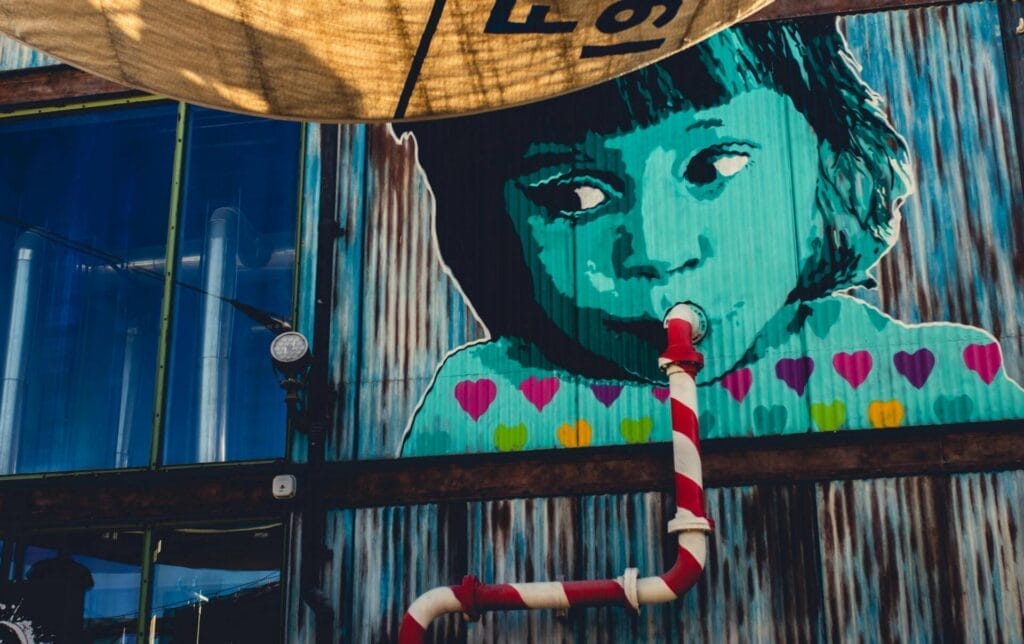
The West Bank Barrier shows another side of the problem. While some artists use the wall itself as a canvas, it still limits their ability to reach wider audiences. Their work is physically and symbolically boxed in.
Even in parts of Europe, where travel used to feel open and easy, new border controls are making movement harder again. For many artists—especially from poorer countries—getting permission to travel is unpredictable. Some artists can move freely, while others are stuck, creating an uneven playing field.
This doesn’t just affect individual artists—it shapes the bigger picture. When some voices can’t travel or be seen, the global art scene becomes less diverse. It may look open and inclusive, but it’s not the full story.
There’s also an irony here. Walls often inspire powerful art—they become symbols of division and struggle. But just because artists respond creatively doesn’t mean the barriers aren’t harmful.
In the end, borders don’t just control movement—they decide whose voices get heard. And that affects not just politics, but culture as a whole.
If art is about human connection, then stricter borders don’t just separate countries—they quietly limit how we understand each other.