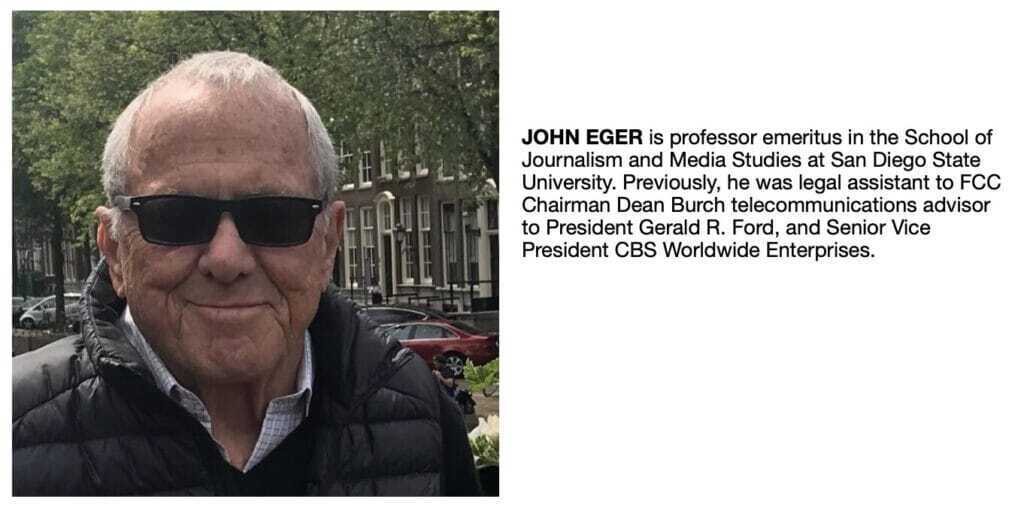

by John Eger
March 24, 2025

In San Diego, according to the San Diego Tourism Authority, the city is proud to be part of California’s inaugural cultural district initiative. The city is home to three distinct and diverse districts that showcase the very best of local arts and culture: Balboa Park, Barrio Logan, and Oceanside. From the iconic Balboa Park—the largest urban park in the U.S.—to Barrio Logan’s vibrant Chicano culture, and the laid-back vibe of Oceanside, each of these districts embraces and exemplifies California’s rich arts and cultural offerings.
But there’s even more happening in San Diego.
Vanguard Culture, a leading organization championing arts and culture in the region, acts as a central hub for everything related to this vital sector of the local economy. Recently, Vanguard Culture highlighted Liberty Station, which for much of the 20th century was a naval training center on the base of San Diego’s rocky Point Loma Peninsula. Today, Liberty Station has become a bustling hub for dining, shopping, and entertainment, just a short drive from downtown San Diego and the airport. It’s home to numerous art spaces, where visitors can enjoy dance performances, catch the latest films, or have dinner and drinks. The station also boasts one of the city’s largest public markets.
San Diego, along with a few other cities, recognizes that art and culture districts are essential for fostering vibrant economic growth. These districts are not only spaces for artistic expression but also serve as cornerstones for an economy driven by creativity and innovation.
Typically located on the outskirts of city centers, often in downtown areas, Art and Cultural Districts aim to create a concentration of art galleries, dance venues, theaters, independent cinemas, music spaces, and public squares for performances. As these districts grow, they often attract cafes, restaurants, retail shops, and increasingly, affordable housing for artists.

While many of these districts have evolved naturally over time, cities are increasingly looking to them as a tool to transform entire regions. Why? Because the synergy created by a mix of art galleries, cinemas, coffee shops, music venues, public art, and even residential and office spaces offers the potential to attract and nurture the creative workforce essential for thriving in the new economy.
In addition to these cultural endeavors, San Diego is leveraging cutting-edge technologies like artificial intelligence, 5G, cloud computing, and the Internet of Everything to improve vital public services and stay competitive in an increasingly digital world. However, we still have work to do in fostering and nurturing the spaces where people connect, develop new skills, and re-energize themselves for the evolving economy.
Studies by Oxford Research reveal that nearly half of all jobs are at risk of being replaced by machines or applications using information technology in the next 20 years. Before the era of Globalization 3.0, success in school and work often depended on being punctual, having a good memory, and staying out of trouble. Today, however, creativity and innovation are key to thriving both in education and the workplace. Many future jobs, which have yet to be created, will demand higher-order thinking skills that cannot be easily automated.
Beyond transforming education systems, fostering communities where people live and work—especially in aspiring art and culture districts—is crucial to building vibrant, productive communities. These districts, like Balboa Park, Liberty Station, and Barrio Logan, are vital incubators for creativity and innovation.
In the global knowledge economy, the workforce of the future must possess the “new thinking skills” needed to excel in a rapidly changing, creative, and innovative workplace. What happens in our schools is a significant part of this ongoing discussion.
Ultimately, projects like these serve as incubators of creativity. They not only attract the creative class but also contribute to the growth of a thriving creative sector, increasingly recognized as a key asset for economic development.