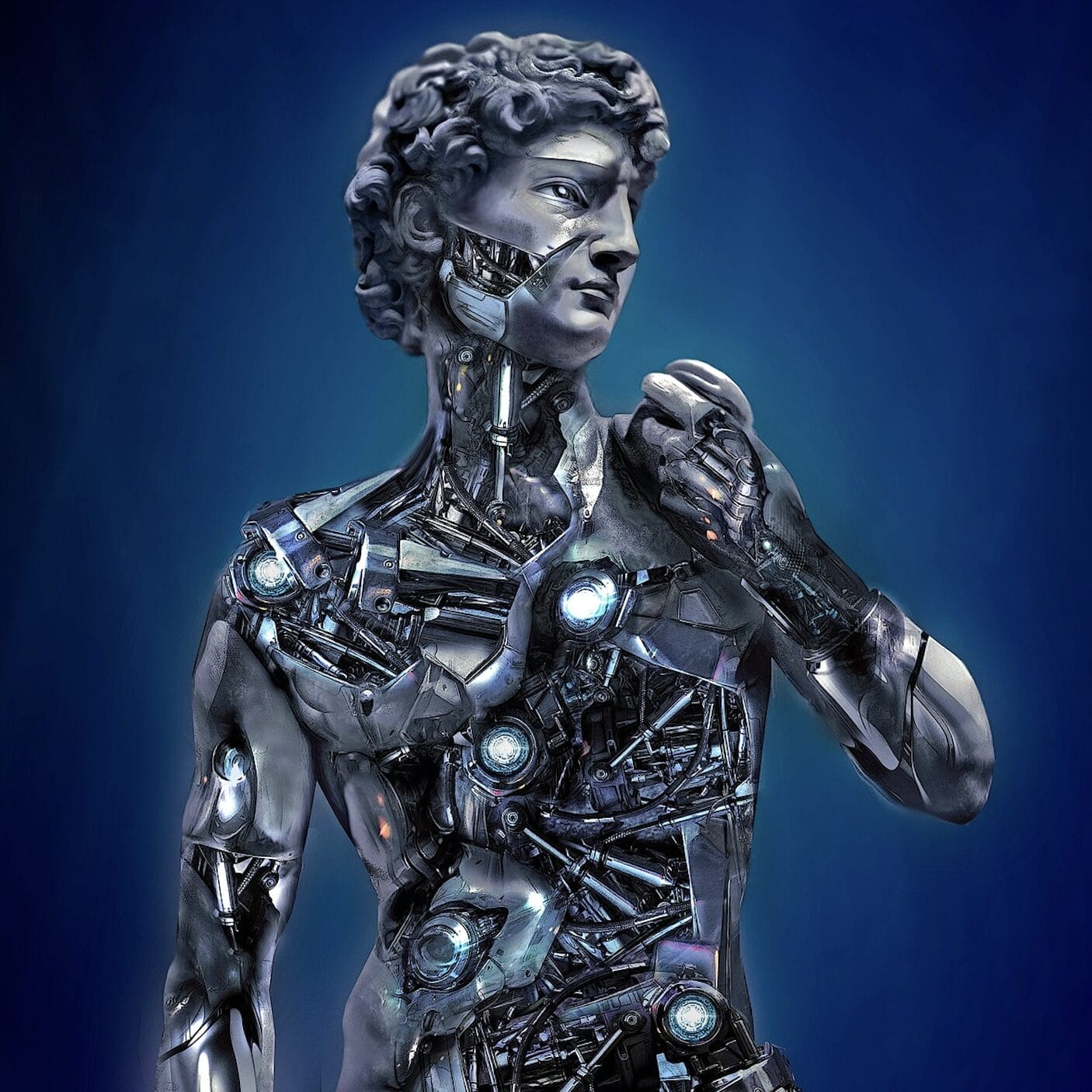
Artificial intelligence is no longer a future technology. It is here.
Every week brings news of AI systems that can write reports, analyze data, answer customer inquiries, create images, diagnose diseases and perform tasks once thought to require uniquely human intelligence. Businesses are rapidly adopting these tools because the economic benefits are impossible to ignore.
More recently, new research and news reports have suggested AI can recognize and mimic human emotions and may surpass human intelligence. This, of course, raises the specter of human extinction.
For that reason among others Pope Leo, according to Elizabeth Dias, the New York Times’ national religion correspondent, “called for A.I. to be “disarmed,” similar to the church’s support for nuclear disarmament, meaning “freed from logics that turn it into an instrument of domination, exclusion and death,” he explained in a speech at the Vatican.”
Yet amid the excitement, one question remains largely unanswered: What happens to the people whose jobs disappear?
For years, public discussion has focused on regulating AI, encouraging innovation and maintaining America’s technological leadership. These are important goals. But they overlook a growing challenge: preparing millions of people for a world in which intelligent machines perform an increasing share of the work.
History suggests that technological revolutions create new opportunities even as they eliminate old ones. The automobile replaced the horse and buggy. Computers transformed office work. The internet created entirely new industries.
But AI may be different.
Unlike previous technologies, AI is beginning to perform not only routine physical labor but also many cognitive tasks traditionally reserved for educated professionals. Lawyers, accountants, programmers, journalists, customer-service representatives and many others may find significant portions of their work automated.
The question is not whether AI will change the workplace. It already is. The question is whether our educational institutions, policymakers and business leaders are preparing people for what comes next.
The answer, unfortunately, is not yet.
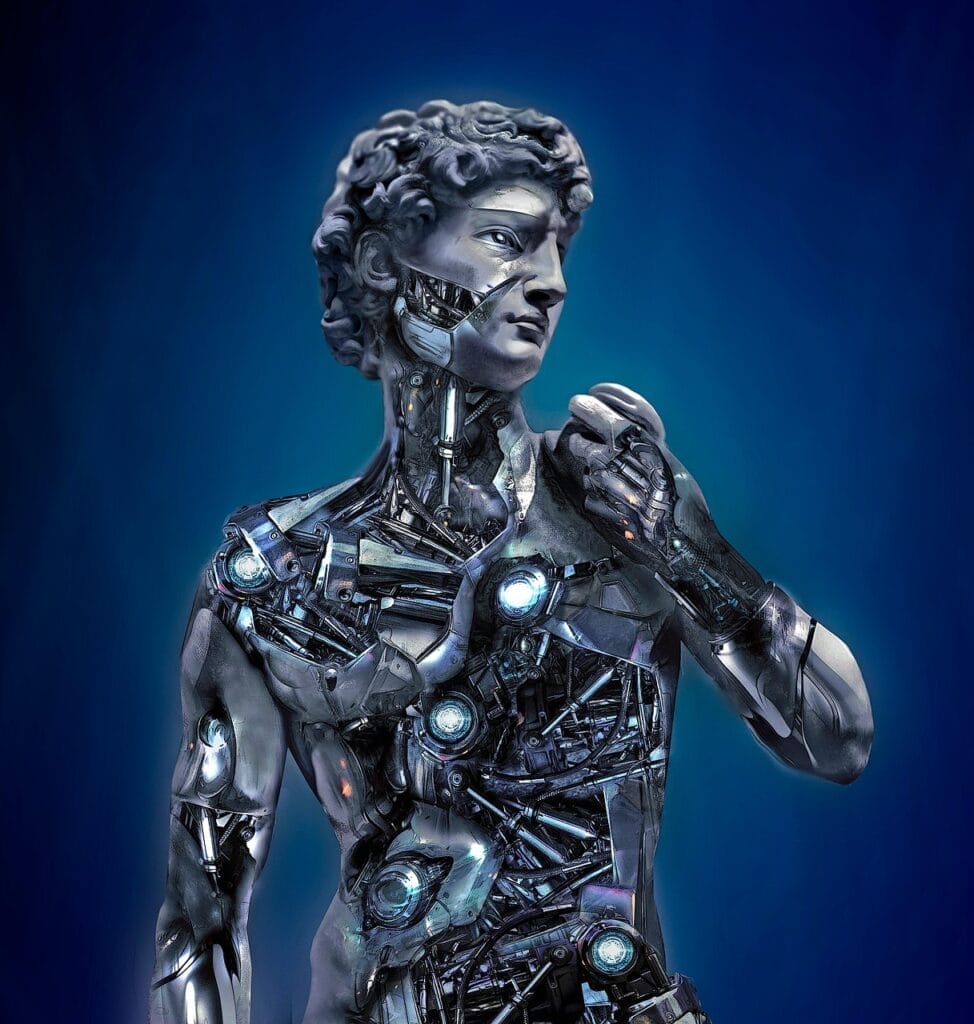
For decades, employers have consistently identified creativity, problem-solving, adaptability and innovation as among the most valuable workplace skills. Yet much of our educational system still rewards memorization, standardized testing and routine performance.
That model made sense during the industrial age. It makes far less sense in the age of artificial intelligence.
If machines become increasingly capable of processing information and performing routine tasks, then the most valuable human abilities will be those machines struggle to replicate: creativity, imagination, judgment, empathy, leadership and the capacity to envision new possibilities.
Creativity is not limited to artists or musicians. Entrepreneurs use creativity to build companies. Scientists use it to make discoveries. Civic leaders use it to solve community problems. Teachers use it to inspire students. Creativity is the engine of innovation itself.
San Diego is uniquely positioned to lead this transition.
Our region is home to world-class universities, research institutions, biotechnology companies, defense contractors, entrepreneurs and creative industries. We have the talent and resources to become a national model for preparing citizens to thrive in an AI-driven economy.
But doing so will require action.
Schools should place greater emphasis on creativity, design thinking, interdisciplinary learning and entrepreneurship. Community colleges and universities should expand opportunities for lifelong learning and workforce adaptation. Business leaders should partner with educators to identify emerging skills and create pathways into new industries.
Most importantly, policymakers must begin addressing the broader social consequences of AI before disruption becomes a crisis.
This is not simply an economic issue. It is a human one.
Work provides income, but it also provides purpose, identity and connection. If AI changes the nature of work, society must help people find new ways to contribute and flourish.
Artificial intelligence may ultimately improve lives, accelerate scientific breakthroughs and create extraordinary prosperity. But those benefits will not be distributed automatically. But the future belongs not only to those who build intelligent machines but also to those who prepare people to live meaningful, productive and creative lives alongside them.